


[AUTOHOME New Car Premiere] On July 30, the Xiaomi Pengcheng N90 Max officially arrived at stores. The model will be officially launched this evening, so the doors are still locked before the launch event, and it is temporarily impossible to enter the car for experience. In addition, the Xiaomi Kunlun technology architecture will also be introduced at tonight's launch conference, including Xiaomi Kunlun Platform, Xiaomi Kunlun Super Range Extender, Xiaomi Kunlun Full-domain Safety, etc.
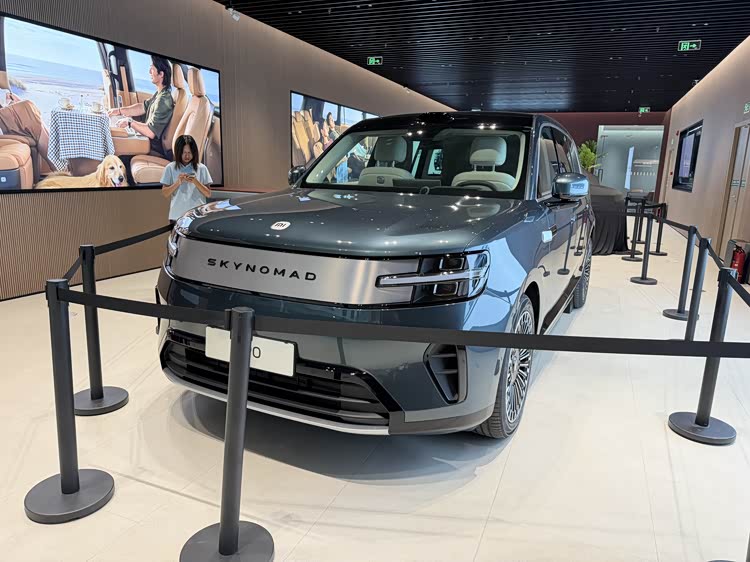
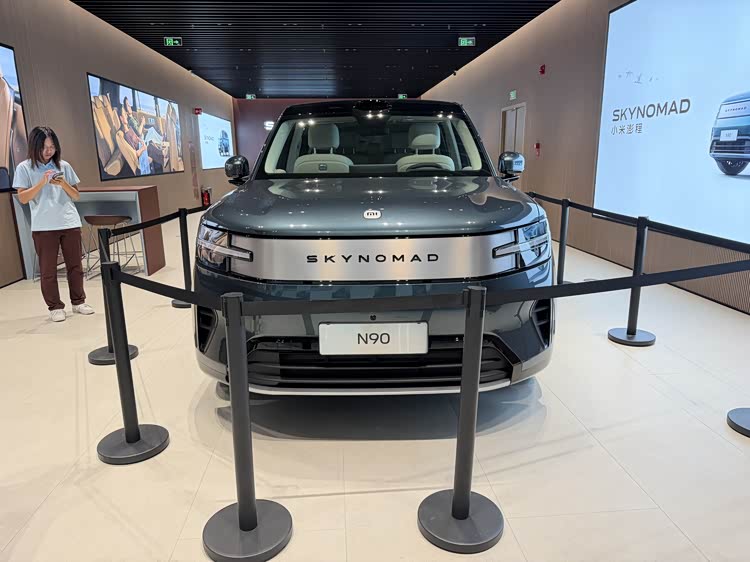
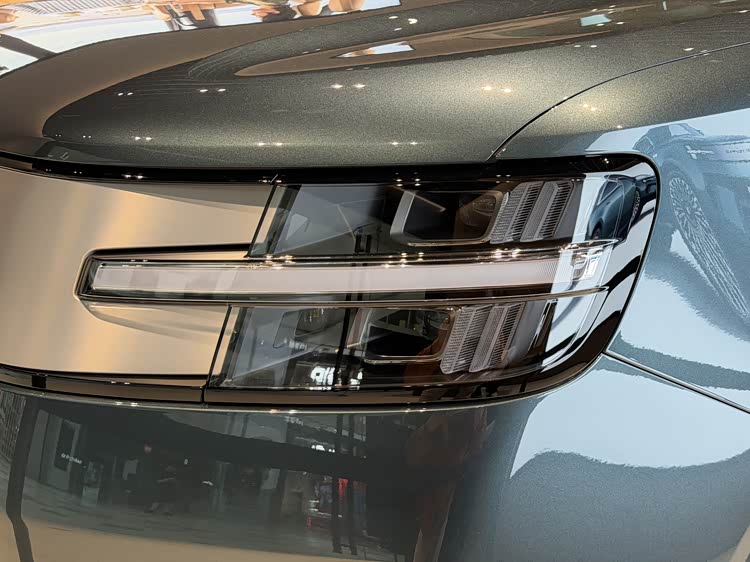
The Xiaomi Pengcheng N90 Max adopts a brand-new design style in appearance. The front face is equipped with Xiaomi's iconic "Mi" shaped LED light cluster, which is seamlessly integrated with the front grille to form an integrated through panel. The panel is embedded with the English logo "SkyNomad", and front LOGOs of different colors are available as options at the same time. The front bumper is similar to that of the SU7 and YU7, with a large-sized trapezoidal air intake and cooling vent in the middle, and triangular ventilation openings on both sides.
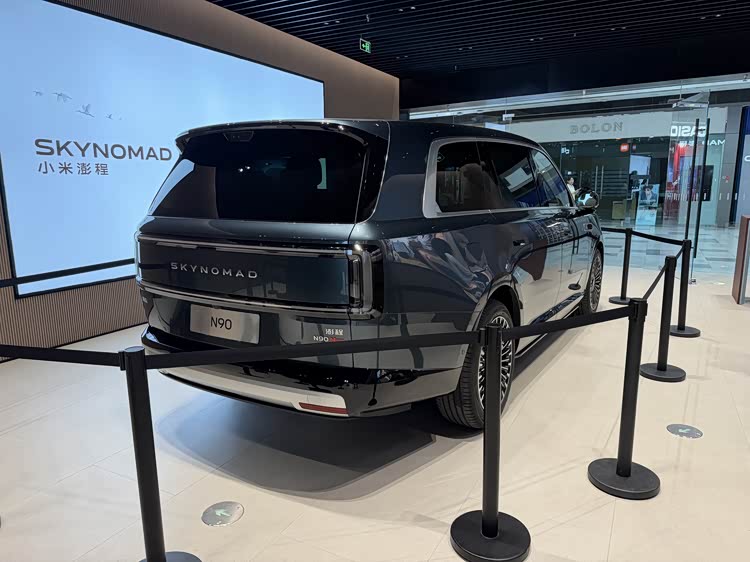
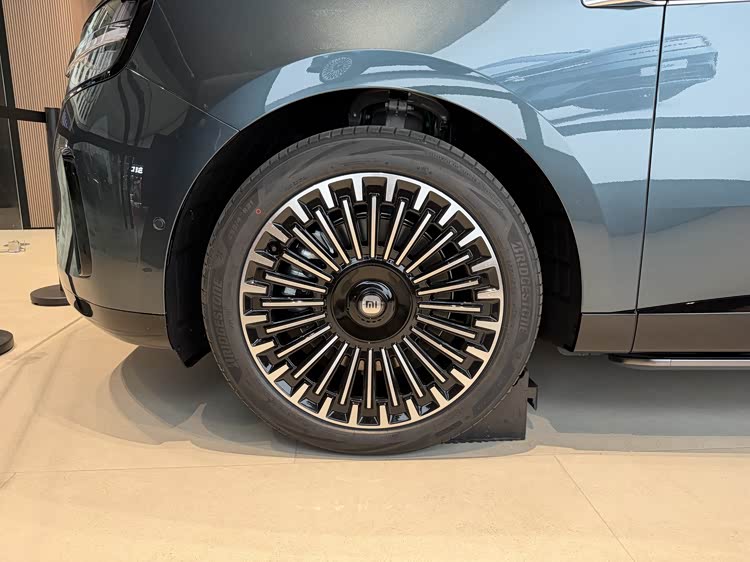
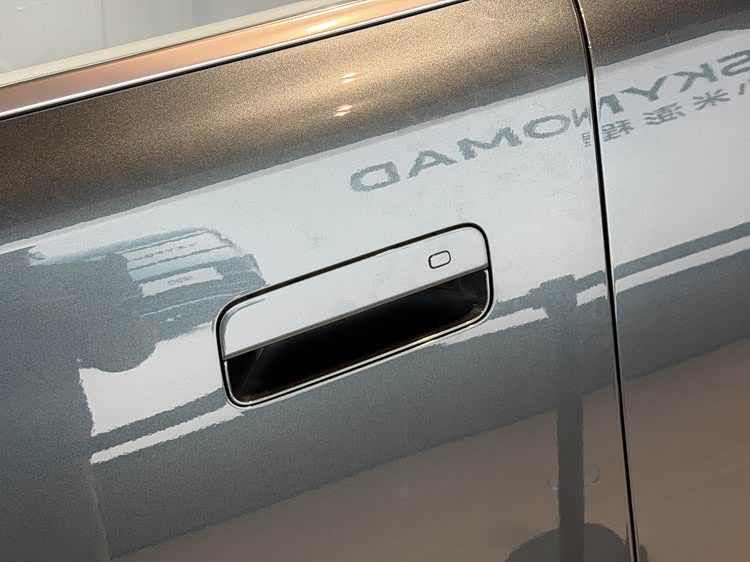
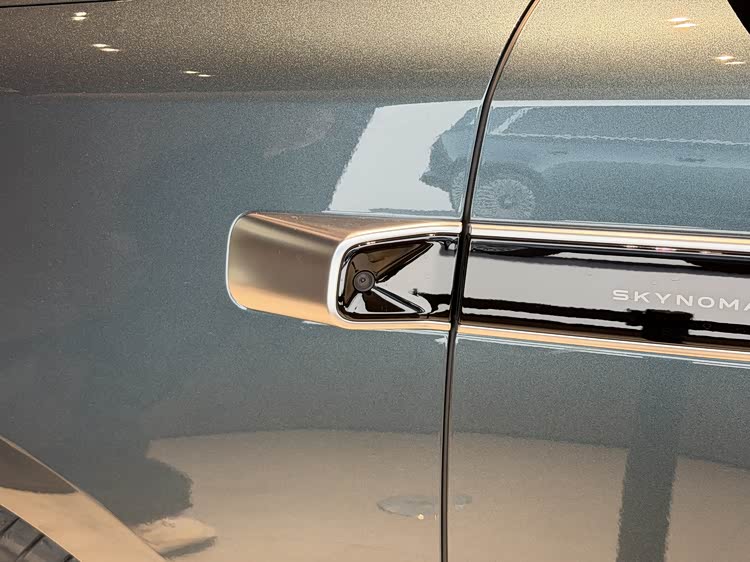
From the side of the body, the exterior rearview mirror of the car adopts the same floating design as the SU7 and YU7, and is equipped with semi-hidden door handles. Meanwhile, the lines of its front and rear fenders are prominent, creating a calm and wide body posture. In terms of dimensions, the length, width and height of the new car are 5285/1998/1825mm respectively, with a wheelbase of 3080mm, and 5 styles of 21-inch rims are provided.
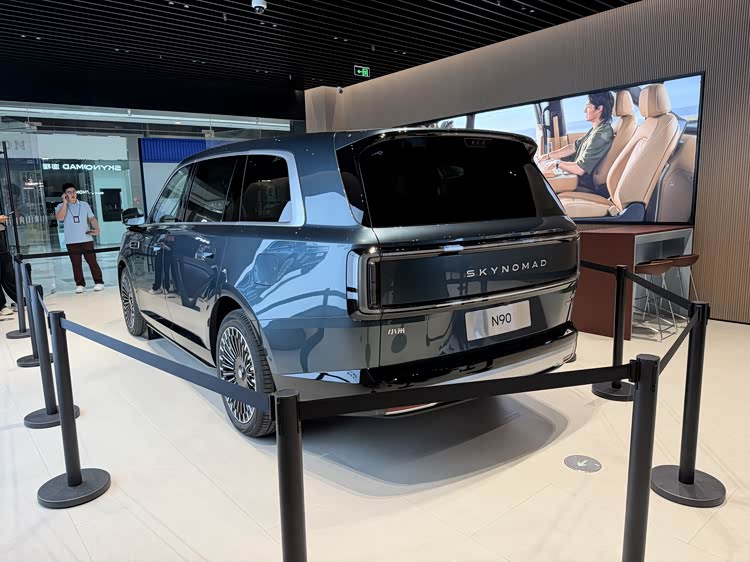
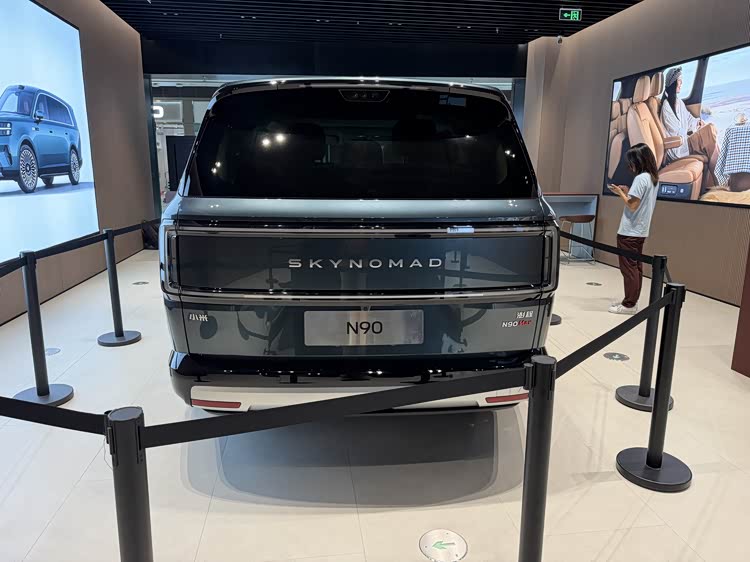
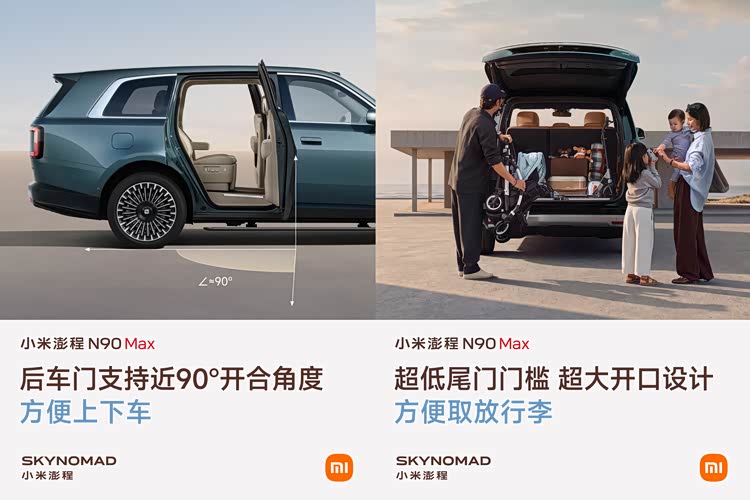
At the rear, the square taillights have high recognition after being lit, and the English logo "SkyNomad" is also added in the center. In addition, a hidden exhaust layout is adopted. Combined with previous news, the opening angle of its rear doors is nearly 90°, and the trunk tailgate has a super large opening and a low threshold.
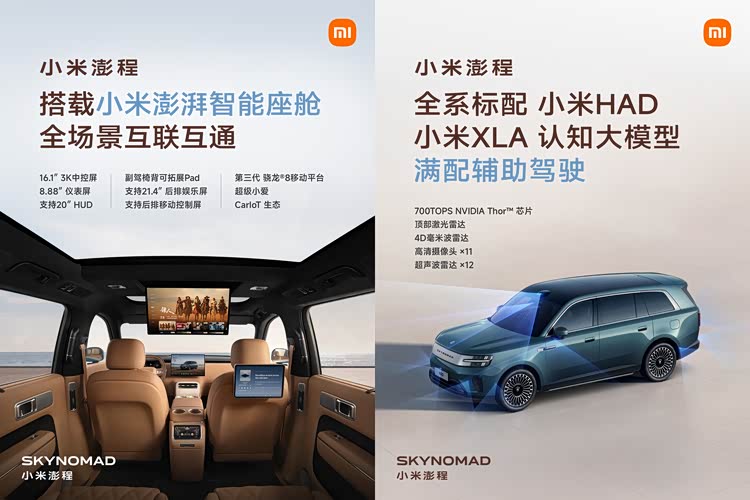
Combined with previous official information, the center console of the vehicle is equipped with a 16.1-inch floating central control screen + 8.88-inch instrument screen + 20-inch HUD head-up display, as well as a double-spoke multifunctional steering wheel and a steering column-mounted electronic gear shift mechanism. It is worth mentioning that the new car has upgraded the traditional armrest box to an independent central island platform that can move back and forth along the slide rail, providing a mobile phone wireless charging panel, hollow storage space, four cup holders, a refrigerator and a function control screen.
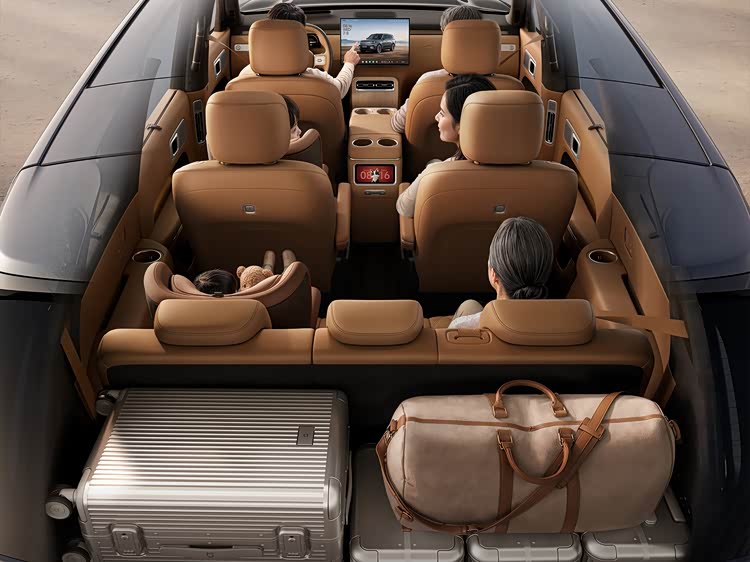
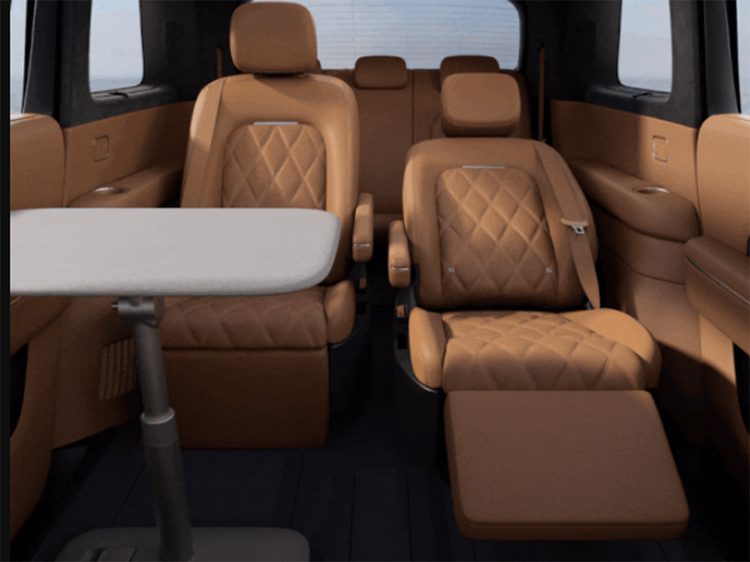
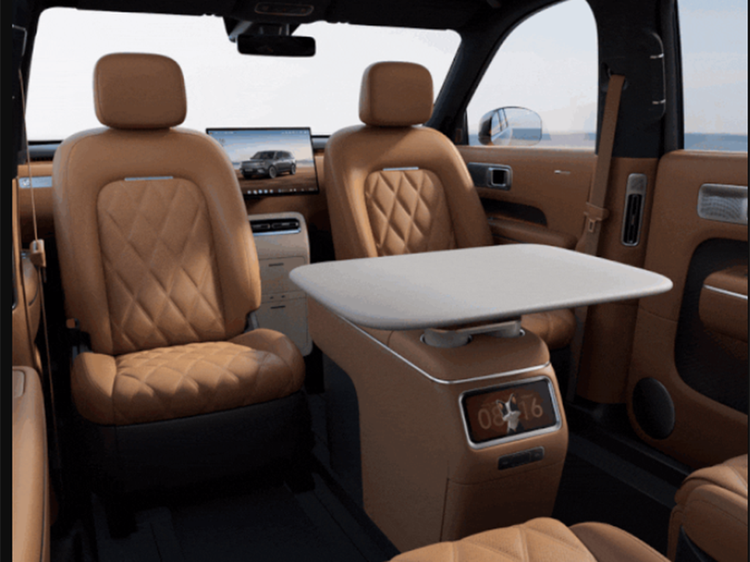
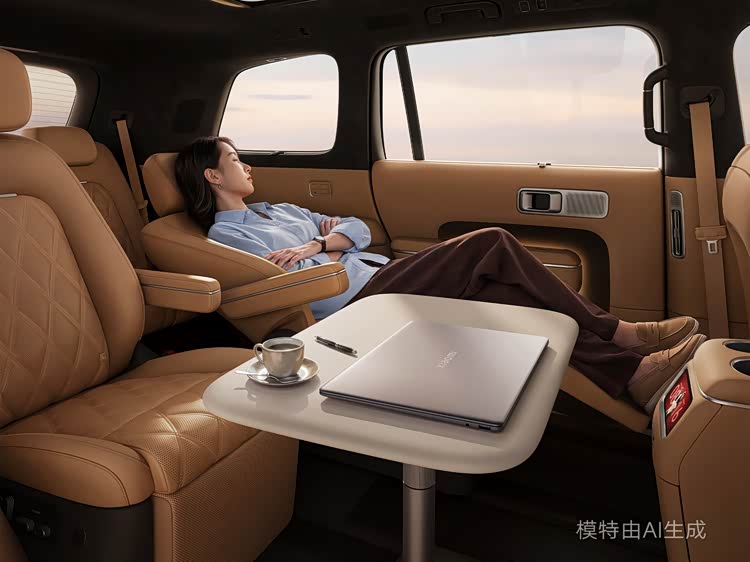
The new car is available in 5-seater and 7-seater versions. Relying on the advantages of the architecture, it realizes a fully flat floor design for the whole vehicle, matched with ultra-long guide rails running through the front and rear of the body, laying a foundation for variable space. In terms of hardware configuration, the front double seats support 180° rotation function, and the second row is equipped with zero-gravity comfortable seats as standard, which greatly improves the riding quality. At the same time, the new car unlocks diversified desktop usage scenarios, that is, an angle-adjustable multifunctional table board can be installed on the guide rail, and the desktop usage space can also be expanded relying on the slidable central island platform, with full flexibility.
In terms of power, the new car will be equipped with a 1.5T range extender power system. The maximum power of the 1.5T range extender is 112kW, the peak power of the drive motor is 210kW/100kW, the maximum speed is 190km/h, and it is matched with a 76kWh large-capacity battery. The WLTC fuel consumption when the battery is depleted is as low as 5.7L/100km, and the WLTC pure electric range is 363-370km. In addition, the whole series supports 92#, 95# and 98# gasoline. The range extender and the three-electric system enjoy an 8-year or 160,000-kilometer ultra-long warranty. After the first maintenance, maintenance is required once every 3 years or every 30,000 kilometers for the range extender. (Text/Guo Chen, AUTOHOME )