


[Autohome Overseas Spy Shots] Recently, we have obtained spy shots of camouflaged prototypes of the Toyota GR GT Track Pack edition and the street-legal GT3 variant from relevant channels. Currently, only the standard version of GR GT and the GT3 racing version have been released. The exposure of the spy shots confirms that Toyota GAZOO Racing is simultaneously developing two track-focused upgrade packages, including the basic Track Pack aerodynamic kit and a road-legal extreme performance version benchmarked against the Porsche 911 GT3 RS.
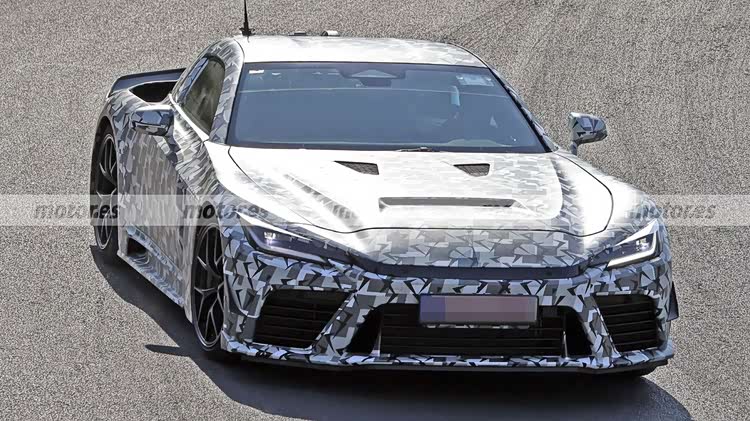
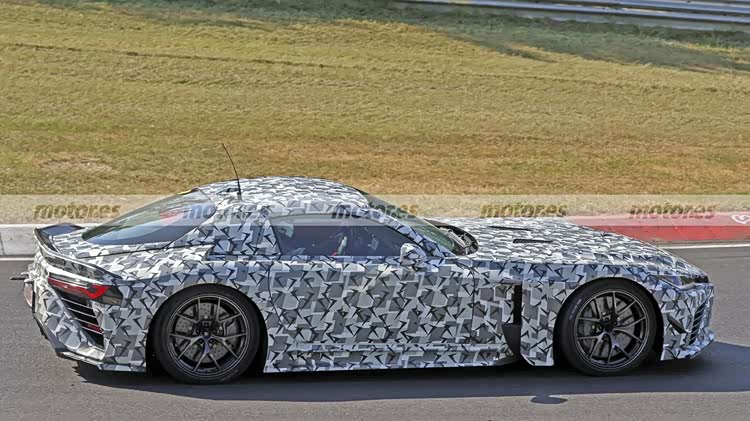
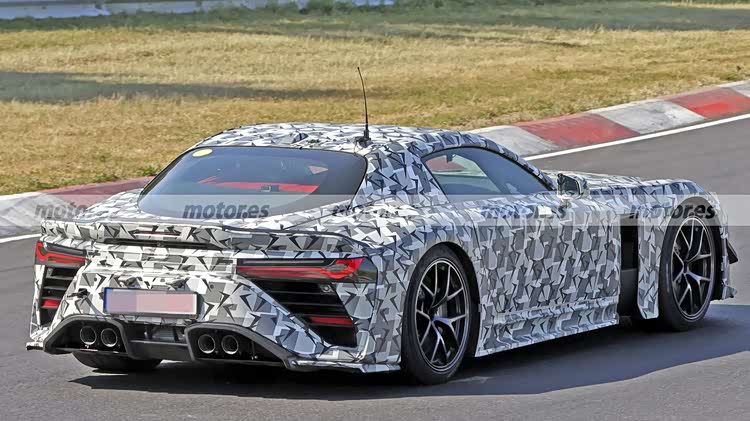
The first prototype is the basic Track Pack edition, with relatively restrained exterior modifications. Independent guide vanes are added on both sides of the front bumper to regulate the airflow around the front wheels and improve the overall downforce of the vehicle; the original active rear spoiler is replaced with a uniquely shaped carbon fiber ducktail spoiler. This kit is optional for ordinary track enthusiasts, with limited improvement to the ultimate performance of the vehicle, focusing on exterior optimization and minor aerodynamic gains.
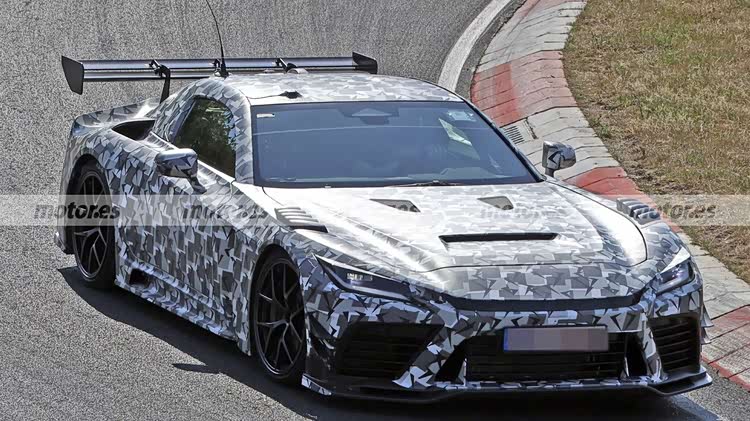
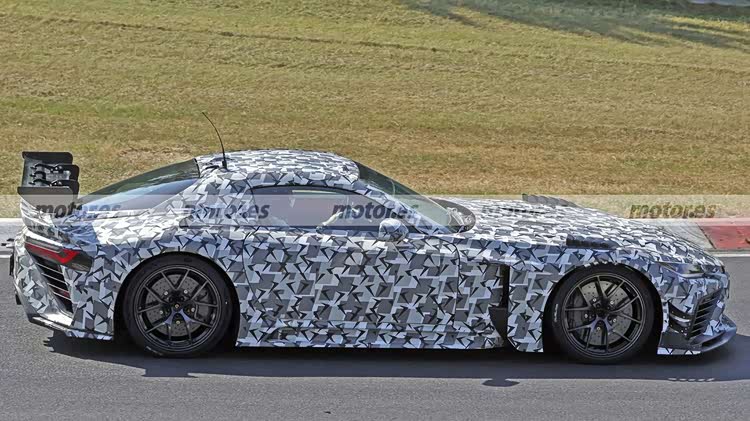
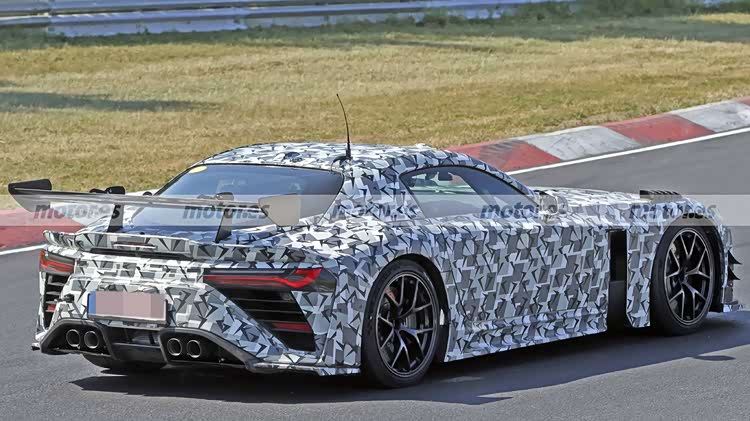
The second prototype has a more aggressive positioning, which is speculated to be a registrable road-going GT3 model, and its entire aerodynamic design is fully aligned with competitive racing cars. The most iconic modification is the addition of multiple sets of gill-shaped heat dissipation vents on the front fenders, whose design logic is benchmarked against the Porsche 911 GT3 RS. During high-speed driving, these vents can release the high-pressure airflow inside the wheel arch, improve the stability of the vehicle when exiting corners, and quickly dissipate brake heat to ensure long-distance track braking performance. The vent structure is also made of carbon fiber. The front is equipped with a deeper split front spoiler lip to further increase the downforce of the front wheels; the original active rear spoiler is completely removed at the rear, replaced with a competition-spec swan-neck fixed giant spoiler to maximize the downforce of the rear axle.
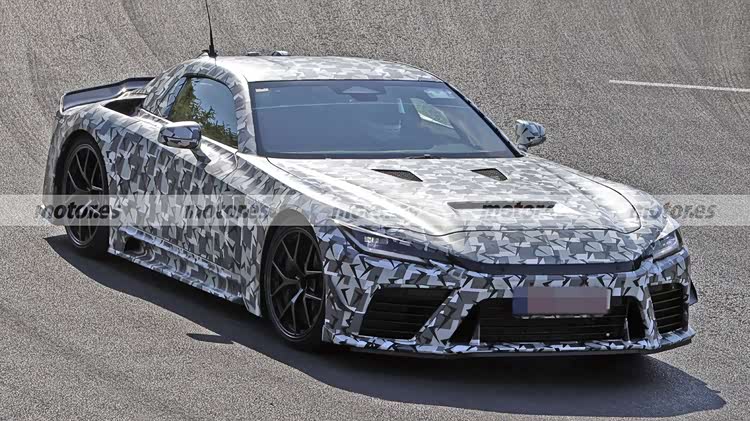
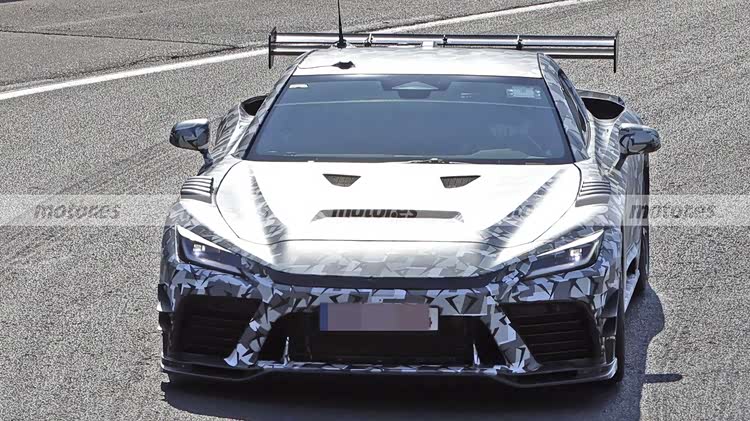
The two test vehicles exposed this time are all covered with full camouflage, and the exterior modifications are concentrated on aerodynamic components. Basic hardware such as original headlights, wheels and exhaust system are temporarily retained, but it is expected that the chassis, suspension and body lightweight structure will be targeted reinforced. Both high-performance versions are built based on the standard GR GT architecture. The core of the body is an aluminum space truss frame behind the cockpit, equipped with a 4.0T V8 hybrid powertrain. For track scenarios, in terms of body structure, reinforcing parts are added to the chassis, the whole vehicle is lightweighted to reduce unnecessary body weight; the suspension system is retuned to adapt to the intense driving conditions of continuous high-speed corners and long straights at the Nürburgring Nordschleife. Power potential: the street-legal GT3 version is expected to upgrade the 4.0L V8 hybrid system to release stronger comprehensive output.
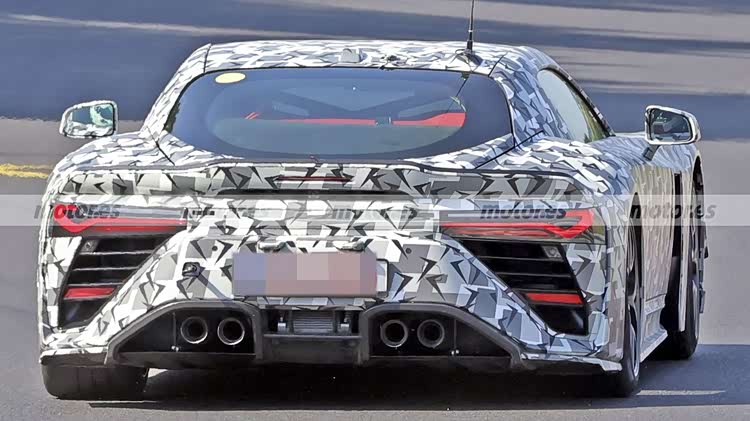
From the perspective of testing purpose, the core task of this extreme GT3 track version prototype is to hit the lap time record of mass-produced vehicles at the Nürburgring Nordschleife. GAZOO Racing is expected to strive to break the 7-minute mark, and even challenge the 6:45.389 record set by the Manthey-modified Porsche 911 GT3 RS, which is also the benchmark lap time of current mainstream road hypercars.
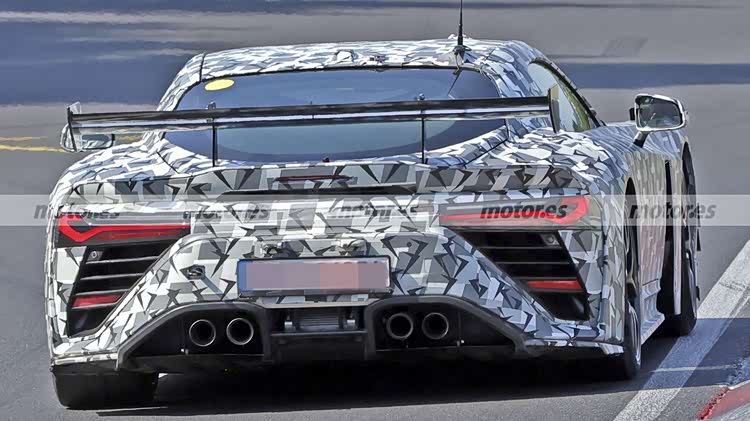
At present, Toyota has not announced the release time, power parameters and pricing of the two Track series models. All hardware configuration information comes from the analysis of spy shots taken at the Nürburgring Nordschleife. GAZOO Racing will continue to complete durability and lap time calibration tests at the Nordschleife, and more official parameters will be gradually announced when approaching the launch stage. For hypercar enthusiasts who pursue track performance, this GR GT derivative model that takes into account road legal qualification and racing performance will become the core product of Japanese flagship hypercars competing with European track sports cars. (Compiled / Autohome Bi Ye)