


[Auto Home Overseas Spy Shots] Recently, we obtained detailed exterior images of the all-new Hyundai Kona from relevant channels. The new car, with internal code SX3, is built on Hyundai's new-generation Pleos Connect electronic platform, and has officially transformed into a Software Defined Vehicle (SDV). This update does not adopt the conventional mid-cycle facelift scheme, but carries out all-round upgrades to the whole vehicle architecture, interior and exterior design, powertrain and in-vehicle system, directly realizing the model generation change. The new car is a global model that will be launched in other regions (for example, it will be sold under the name Creta in the Indian market), and its overall positioning has been upgraded to a high-end small SUV.
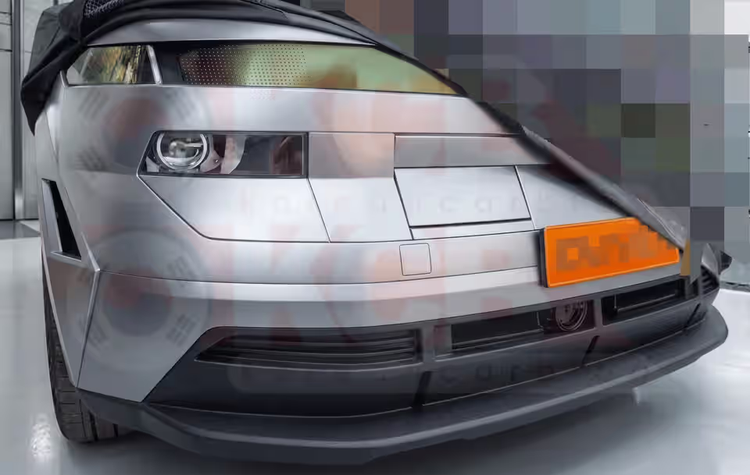
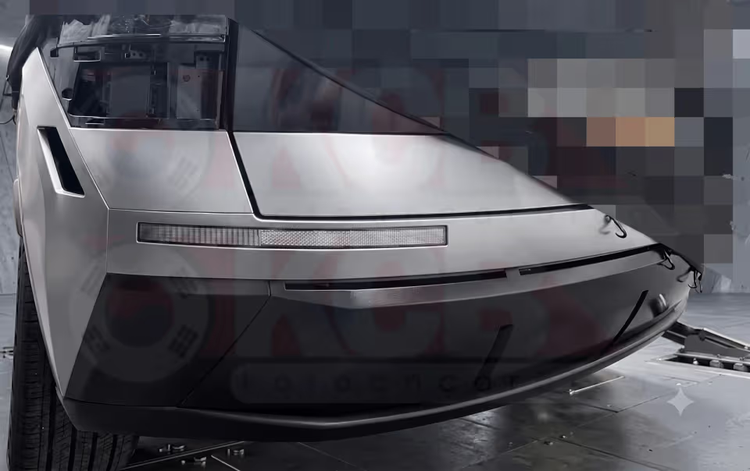
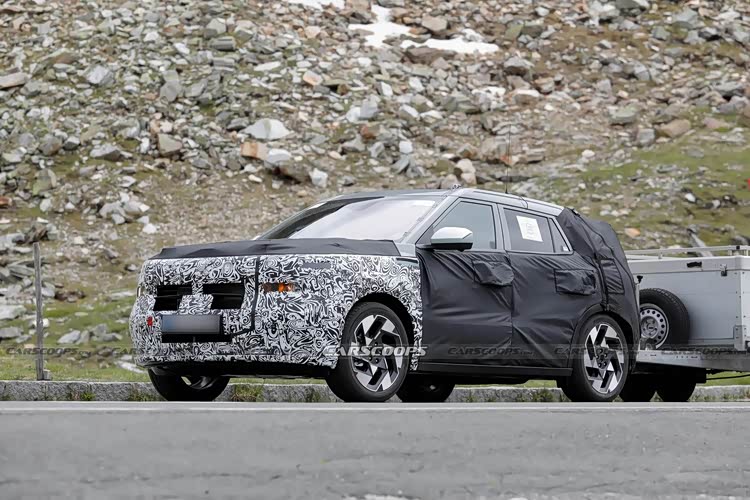
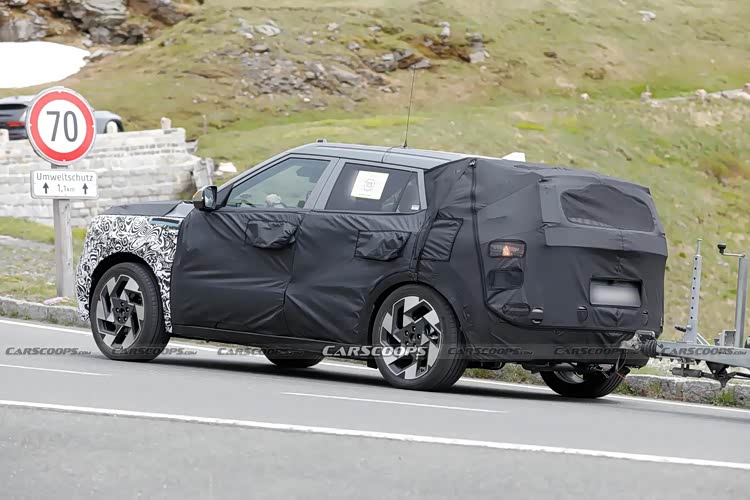
According to the leaked images, the all-new Hyundai Kona completely abandons the distinctive split headlight design of the previous two generations of models, with a unified overall shape and a more futuristic style. Its design idea refers to the Crater concept car, but it does not directly replicate the appearance of the concept car, adopting a brand-new original design language. The body proportion has changed significantly: the height of the hood has been raised, the front facade is more vertical, which weakens the current model's hatchback-like silhouette, and the overall posture is more inclined to formal hardcore SUV. The rear design is highly similar to the front. It is expected that the taillight assembly of high-equipped models will be equipped with parametric pixel light sources, the lighting design logic is consistent with that of Hyundai's IONIQ pure electric series, and fuel-powered models also share the visual elements of the electrified family simultaneously. The rear bumper adopts a segmented design, creating a strong sense of hierarchy visually.
According to the exposed information, the interior of the new car has been restructured. The cockpit design gets rid of the cramped feeling of traditional small SUVs, and its hardware configuration is on par with higher-level models such as Tucson and Santa Fe. The car is expected to be equipped with dual 12.3-inch integrated panoramic connected screens as standard, the instrument cluster and central control screen are seamlessly connected to create a high-level digital cockpit. The shift mechanism has been changed to column-mounted shift-by-wire, the traditional mechanical gear lever on the central control passage is cancelled, forming a bridge-type central control layout, and a super large storage space is reserved under the center console, which can hold large personal belongings. At the same time, the car is equipped with ambient lighting, the air conditioning vents are finely integrated, the interior materials and detail texture are fully upgraded, leaning towards light luxury positioning.
In terms of powertrain, the new car is equipped with a 1.6-liter hybrid assembly homologous to the all-new Kia Seltos. This powertrain has better fuel economy, is equipped with V2L external discharge function, and can also be optionally equipped with a small rear axle motor to form an electric four-wheel drive version. The comprehensive maximum power of the base hybrid version is 154 horsepower, and the comprehensive power of the electric four-wheel drive hybrid version is increased to 178 horsepower. Previously, the Kona sold in the North American market has long lacked a hybrid version, and the all-new generation model will fill this market gap and enrich the powertrain options for overseas users. (Compiled by Bi Ye, Auto Home)